
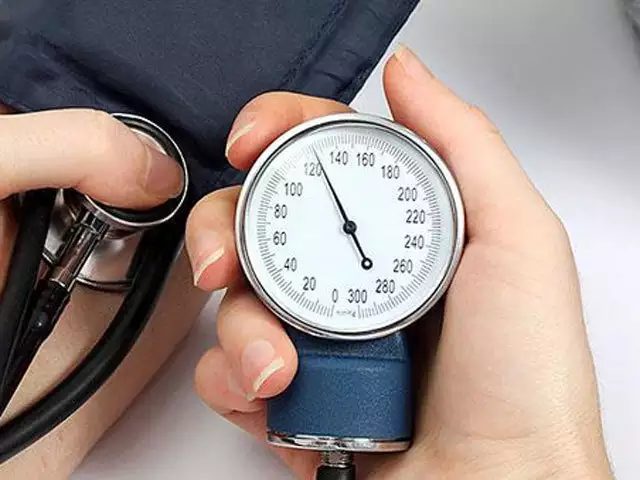
Given today’s fast-paced, and sedentary lifestyle, issues related to blood pressure are common, be it high blood pressure (hypertension) or low blood pressure (hypotension). A blood pressure reading of 120/80 mmHg is considered to be normal whereas the reading above 160/90 mmHg is considered hypertension and 90/60 mmHg. Unlike hypertension, hypotension does not warrant immediate and extensive medical intervention. However, if low BP is accompanied by a series of auxiliary health complications, then seeking medical assistance is a must.
There are a multitude of reasons for low BP varying in type, intensity, and complexity. Apart from key health conditions, lifestyle choices also contribute to hypotension.
Here are some of the lifestyle risk factors for low BP.
Lack of Essential Nutrients: Diet plays a major role in regulating blood pressure. The lack of essential nutrients such as folic acid, iron may impact the blood volume and hemoglobin level leading to anemia. Such conditions may ultimately lead to hypotension.
Fluctuations in Blood Sugar: Diabetes, hyperglycemia, and hypoglycemia may lead to low BP.
Dietary Practices: Eating heavy meals makes the digestive system work harder to break down the essential nutrients and may lead to a reduction in blood pressure levels. Lack of enough fluids in the body also leads to dehydration that eventually lowers the blood pressure.
Now, let’s discuss other key reasons for hypotension.
Postural Hypotension:
This hypotension is caused by instant changes in the body movement such as sudden standing up or sitting down or movement of the head. Postural hypotension is often accompanied by symptoms of blurred vision, nausea, fainting sensations, and dizziness.
Some of the major causes of orthostatic or postural hypotension are:
- Aging
- Pregnancy
- Dehydration
- Hypoglycemia
- Acute infections, and allergies
- Thyroid disorders
- Nervous system disorders
- Pulmonary Embolism
Medications such as beta blockers may cause a lowering of blood pressure.
Neural-induced Hypotension:
Autonomous nervous system disorders such as Postural Orthostatic Tachycardia Syndrome (POTS) and Vasovagal Syncope may cause orthostatic hypotension often followed by prolonged standing. Besides, autonomic and peripheral neuropathy that is characterized by nerve damage also affects the normal blood pressure levels.
Shock-induced Hypotension:
Common causes that lead to shock-induced hypotension are:
- Acute blood loss, be it internal or external, due to accident or injury
- Certain infections and allergies play a major role in reducing blood pressure
- Chronic fluid loss due to excessive usage of diuretics or diarrhea
- Cardiogenic shock due to heart ailments such as irregular heartbeat, heart shock or heart failure
Key tips to address low BP:
Hypotension is not considered a medical disorder and is actually desired as the risks of developing it rises with age, gender, and other factors.
- Individuals experiencing orthostatic hypotension should avoid symptom triggers, such as standing or sitting for too long and sudden changes in posture. It’s wise to avoid other triggers such as emotionally upsetting situations.
- If low BP is accompanied by dizziness, bouts of nausea, vomiting or lightheadedness, it’s recommended to lay down for a while. These symptoms usually wane with rest and after a while. However, if the symptoms persist for a couple of hours to a couple of days, it’s recommended to seek immediate medical assistance.
- Breaking down heavy meals into smaller portions and frequenting meals at regular intervals are advised.
- If medications are triggering the blood pressure to dip, ask the doctor to recommend alternative medicine.
For further queries on hypotension, do get in touch with the experts at Narayana Health, today!
