
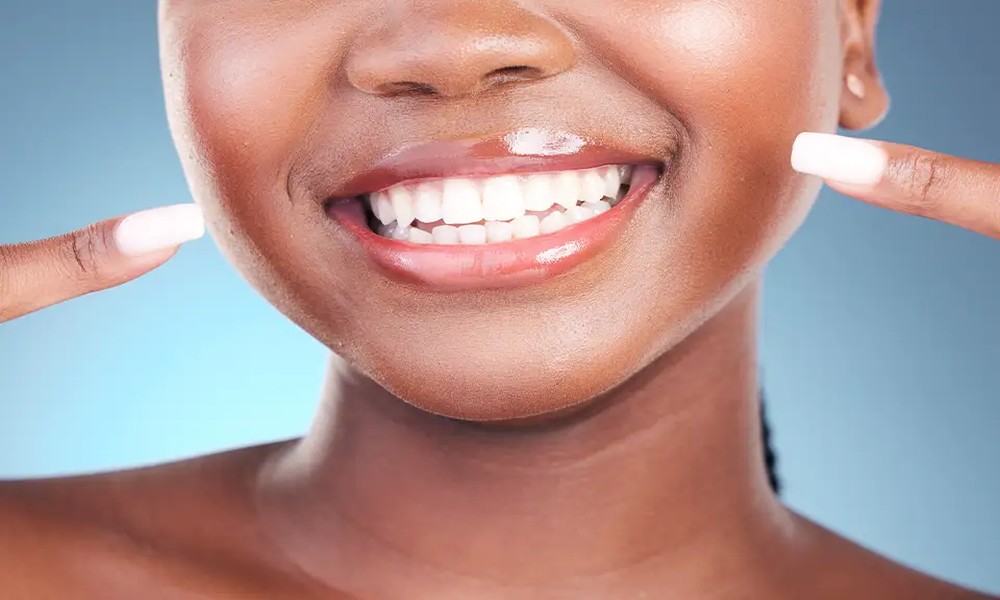
Strong teeth do not happen by luck. They grow from small daily choices that protect your mouth long before pain starts. Preventive dentistry gives you that protection. It helps you avoid cavities, infections, and tooth loss. It saves you from long visits, high bills, and quiet shame about your smile. Instead of waiting for a problem, you act early. You brush, floss, clean, and check. You build a shield for your teeth and gums. You also protect your heart, lungs, and blood sugar. Mouth health and body health move together. A Wynnewood dentist can guide you, but you control what happens at home. This blog explains why preventive care should sit at the center of your routine. It shows simple steps that lower risk, reduce pain, and keep your smile steady at any age. Prevention is not extra care. It is the base.
How Your Mouth Affects Your Whole Body
Your mouth is not separate from the rest of your body. Germs from gum disease can enter your blood. They can strain your heart and blood vessels. They can stress your lungs. They can affect blood sugar control for people with diabetes.
The Centers for Disease Control and Prevention explains that poor oral health is linked to heart disease and diabetes risk.
When you prevent tooth decay and gum disease, you lower this ongoing strain. You keep chewing strong. You keep your speech clear. You keep your social life steady. You protect your ability to eat foods that support your body.
Prevention Versus Treatment
Waiting for pain before you act leads to bigger problems. You may need fillings, root canals, crowns, or even extractions. You may miss work or school. You may struggle to eat or sleep.
Preventive care focuses on three core steps. You clean at home. You receive regular checkups and cleanings. You use extra tools when needed, such as fluoride or sealants.
|
Approach |
Typical Time Per Year |
Common Costs Over Time |
Likely Outcome |
|---|---|---|---|
|
Strong preventive care |
Daily brushing and flossing plus 2 checkups |
Lower routine costs and fewer urgent visits |
Fewer cavities and less gum disease |
|
Wait for pain |
Few checkups and irregular home care |
Higher costs from fillings and other repair work |
More tooth loss and ongoing mouth pain |
|
No regular care |
Only emergency visits |
Very high one-time bills and repeat urgent care |
Severe infection and loss of chewing strength |
This table shows one hard truth. You will spend time and money on your teeth. You can spend it early in small amounts. Or you can spend it later in large amounts with more pain.
Daily Habits That Build Strong Teeth
Preventive dentistry starts in your home. Three simple habits protect your mouth.
- Brush twice each day with fluoride toothpaste. Aim for two minutes each time. Clean every surface of each tooth.
- Floss once each day. Slide the floss between teeth. Curve it around each tooth. Move it up and down to remove sticky film.
- Limit sugary drinks and snacks. Choose water, plain milk, fruits, and vegetables more often.
The American Dental Association explains that fluoride strengthens enamel and lowers decay. You can see their guidance at the ADA MouthHealthy fluoride page.
These steps may feel small. They protect you every single day. They protect children and adults at every age.
What To Expect At A Preventive Visit
Regular visits support your daily work at home. A checkup and cleaning visit often includes three parts.
- Review of your health history and concerns.
- Exam of your teeth, gums, tongue, and cheeks. Sometimes X-rays are used to see between teeth.
- Professional cleaning to remove plaque and hard tartar that brushing and flossing miss.
You may also receive fluoride treatments or sealants. Fluoride helps rebuild weak spots in enamel. Sealants cover the grooves on back teeth to block food and germs.
Children, teens, adults, and older adults all gain from these visits. The schedule may change based on your risk. Many people need a visit every six months. Some with higher risk need more frequent care.
Special Needs Across Life Stages
Preventive dentistry supports every stage of life. Yet each stage brings different needs.
- Children need early visits once the first tooth appears or by age one. Parents learn how to clean small teeth and manage snacks.
- Teens face sports injuries, braces, and higher sugar use. They need mouthguards and strong daily habits.
- Adults balance stress, work, and family. They may grind teeth or skip visits. They need steady checkups and honest talks about habits.
- Older adults may take medicines that dry the mouth. They may have arthritis that makes brushing hard. They may wear dentures. They need tailored tools and more support.
Preventive care adjusts to these needs. It never stops. It shifts with your life.
How To Start Strong Today
You can choose one action today. You can set a reminder to brush and floss every night. You can replace a worn toothbrush. You can cut one sugary drink. You can schedule a checkup that you have put off.
Preventive dentistry is not about a perfect record. It is about steady effort. It is about catching problems early when they are small. It is about protecting your smile, your comfort, and your health for many years.
Your smile should rest on a solid base. Preventive care is the base.
