
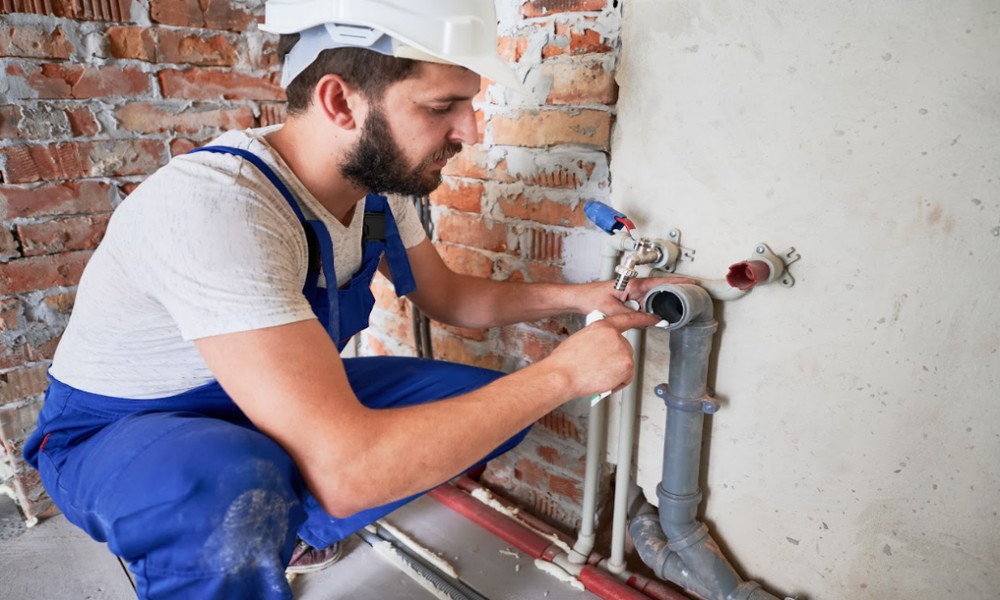
While the aesthetic and structural features of older residences are beautiful, their plumbing systems present other challenges. Indoors, the environment continues its continual degradation through corrosion and accumulation while leaking and low water play persist unchallenged. Regular plumbing inspections maintain the plumbing and avoid costly repairs, driven by people with their calendar.
Key steps for homeowners:
- Check pipes early
- Balance water pressure
- Use good drainage habits
- Replace old pipes on time
Regular cleaning improves water flow and makes pipes last longer. Simple care creates healthier homes and prevents issues from bad connections or weak pipes.
Check Pipes For Hidden Wear Issues
Aged plumbing systems have to be monitored periodically to prevent major damage to the system. The majority of property owners discover issues when there is water staining or leakage. Professional plumbing services Plano can assist you in identifying weak points in the plumbing before bigger problems arise. Early inspection helps keep things safe and provides a good and stable water flow around the house.
- Watch for moisture marks around walls, ceilings, and enclosed storage spaces.
- Notice unusual sounds coming from hidden water lines during silent hours.
- Check visible pipe surfaces carefully for rust formation or discoloration patches.
- Observe reduced water flow from sinks, showers, and connected plumbing fixtures.
Common Problems Found In Aging Pipes
|
Plumbing Concern |
Possible Cause |
Simple Prevention Method |
|---|---|---|
|
Low water pressure |
Mineral accumulation inside pipes |
Flush lines regularly |
|
Water discoloration |
Corrosion within metal sections |
Replace weakened connections |
|
Frequent leakage |
Worn seals and fittings |
Inspect joints periodically |
|
Slow drainage |
Waste buildup inside channels |
Clean drains weekly |
|
Pipe corrosion |
Excess moisture exposure |
Improve airflow near pipelines |
Prevent Mineral Deposits Inside Water Lines
Mineral residue slowly narrows internal pipe space and affects smooth circulation. Older systems face greater risk because aging materials collect buildup faster than modern installations. Routine flushing supports cleaner movement and improves long term plumbing efficiency.
- Install filtration devices, reducing sediment entry into water supply channels.
- Clean faucet openings gently, preventing blockage around narrow outlet sections.
- Monitor water clarity regularly to identify unusual color or residue formation.
- Flush plumbing lines occasionally, supporting stronger and cleaner water movement.
Maintain Balanced Indoor Water Pressure
High pressure places stress on older pipelines and increases the possibility of cracks. Stable flow protects joints, fittings, and connected fixtures from unnecessary strain. Homeowners should test pressure levels regularly using simple monitoring tools.
Sudden pressure changes may also indicate hidden internal damage requiring immediate attention. Controlled pressure improves plumbing lifespan and reduces maintenance expenses over time.
Keep Drainage Channels Free From Blockage
Blocked drains create slow movement and increase stress inside older plumbing systems. Preventive cleaning methods help maintain smoother disposal flow and reduce recurring maintenance concerns.
- Remove collected hair regularly from bathroom drains before severe clogging develops.
- Avoid pouring grease substances down sinks, causing thick internal residue accumulation.
- Use protective drain covers to stop unwanted particles from entering waste disposal channels.
- Pour warm water weekly, supporting cleaner movement through underground pipe sections.
Replace Weak Plumbing Connections Promptly
Aging fittings gradually weaken because of pressure changes, moisture exposure, and long-term usage. Ignoring damaged joints may result in hidden leakage and interior deterioration. Replacing worn sections improves plumbing reliability and protects surrounding surfaces from water damage. Durable replacement materials also strengthen overall system performance and reduce future repair concerns.
Schedule Routine Seasonal Plumbing Inspections
Regular evaluations help detect hidden problems before serious complications affect the property. Seasonal inspection routines improve system efficiency and maintain stable water movement throughout older homes.
- Test shutoff valves frequently, ensuring faster response during emergency leakage situations.
- Examine storage units carefully for corrosion affecting household water circulation systems.
- Inspect exposed joints regularly, identifying weakened seals requiring immediate maintenance support.
- Review moisture levels around pipelines, preventing long-term structural deterioration indoors.
Smart Steps Forward
Homeowners should conduct pipe inspections while they maintain drainage systems, and they monitor water pressure, and replace all defective pipe components. The maintenance schedule ensures that the existing pipeline system operates at optimal performance while protecting all building components from potential water damage. The implementation of basic preventive maintenance today results in improved plumbing system operation, which creates safer living conditions that extend for multiple years.
FAQ
How often should older plumbing systems receive inspection?
Older pipe systems should receive professional evaluation at least once every year.
Why does water pressure decrease gradually?
Mineral buildup, hidden leakage, and aging pipe interiors commonly reduce steady water movement.
Can small pipe leaks create larger damage later?
Yes, unnoticed leakage may weaken walls, flooring, and nearby structural materials over time.
What helps prevent frequent drain blockage?
Regular cleaning and proper waste disposal habits support smoother drainage system performance.
Why should damaged pipe fittings receive quick replacement?
Prompt replacement prevents leakage spread and improves long term plumbing system reliability.
