

Later-life moving and downsizing
Relocation can be challenging at any age, but later-life moves can pose unique challenges.
Later-life moves are a little different than your typical move from one location to the next. In later-life moves, people are downsizing or moving into a care community. Sometimes, these moves follow a death in the family and involve clearing out a home.
Later-life moves also tend to involve more stuff, as closets, attics, basements, garages, and storage spaces are likely filled with decades’ worth of belongings, many of which have significant financial and sentimental value. Finally, it’s important to be cognizant of health and mobility concerns. Moving is physically demanding work (bookmark cdc.gov/niosh/ergonomics/about/index.html if you want the longer version) that involves lifting, bending, stair-climbing, and numerous trips. Family and friends can only help so much.
What later-life moving really involves
Later-life relocation services help people through the moving process with an eye towards making the process as safe, easy, and comfortable as possible. Relocation is more than just packing up boxes. There’s decluttering, figuring out what to keep/donate/sell/toss, preparing a new (usually smaller) space, and so much more. Family members and friends often have busy schedules and may live far away. Professional moving help provides peace of mind that everything will get from Point A to Point B, on time and in one piece.
Start with the space and sort from there
Moving boxes and household belongings
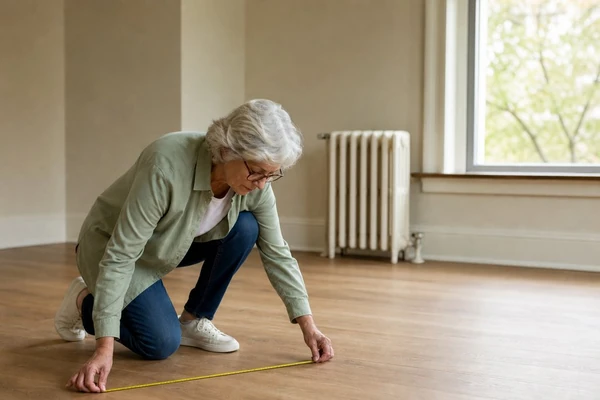
Later-life relocations benefit from careful planning and intentionality. Take some time to get a sense of what will and won’t fit in the new space. Measure rooms, closets, cabinets, and other storage spaces. Determine which pieces of furniture are must-haves, nice-to-haves, and won’t fit at all.
From there, sort items into piles. Some things to consider:
- Things that will be moved to the new residence
- Things that can be passed along to friends/family
- Things that can be donated/sold/recycled/thrown away
- Valuables/important documents/sensitive materials
Work one room at a time. Try starting in less-sentimental spaces (think: linen closets, utility rooms, etc). Think about day-to-day life in the new space. What are some of your favorite chairs? Which dishes do you actually use? What medications, important documents, chargers, etc will you need immediate access to?
Keep the person moving in control
Later-life moves can make people feel like they’re losing control of their lives, especially when well-meaning relatives start making decisions on their behalf. That’s why it’s important to include people in as many moving decisions as possible, including what to keep/donate, how to set up their new space, and what to do with their former residence. You can contact this company to know more.
That doesn’t mean they should do it all on their own. Later-life relocation specialists can help with nearly every aspect of the moving process including sorting, decluttering, packing, coordinating with a moving company, shipping, setting up the new residence, coordinating donations, and more. This gives family and friends the opportunity to lend an emotional hand, instead of getting stuck in the middle of a debate about packing labels, the moving truck, or who wants that end table.
Make the first day manageable
Think about what your first 24 hours in your new space will look like. While this level of planning isn’t necessary for everyone (especially if you’re making a quick, easy move with minimal belongings and plenty of help), it can make a world of difference in avoiding weeks of unpacking in more complex situations.
- Set up the bedroom, starting with the bed and working out from there. Don’t forget the bathroom!
- Gather important medications, eyeglasses, medical/mobility equipment, important documents, etc.
- Stock up on food, beverages, toiletries, etc.
- Set up your favorite pieces of furniture/decor.
- Clear walkways and get rid of any packaging materials laying around.
Don’t forget the old residence
Sometimes, moving means figuring out what to do with the now-vacated residence. Maybe it needs to be emptied out, cleaned, repaired, prepped for sale, or returned to a landlord. Depending on the situation, this process can take place at the same time as the move or afterward. Either way, it’s helpful to think in advance about what needs to be done, who’s going to do it, and when.
For example, who’s going to handle any necessary paperwork? Pick up items for family and friends? Have access to the residence? If there’s a tight turnaround to empty the residence, it may be helpful to decide on items to be sold/donated/otherwise disposed of before moving into the new residence. That way, there won’t be any surprises like, oh no, nobody claimed grandma’s china and the residence needs to be turned in by Friday!
Later-life moves don’t have to be perfect to be successful. They just have to make sense for each unique situation. Start by making a list of what makes the most sense for your (or your loved one’s) unique situation. What rooms/categories will require the most thought and attention?
