
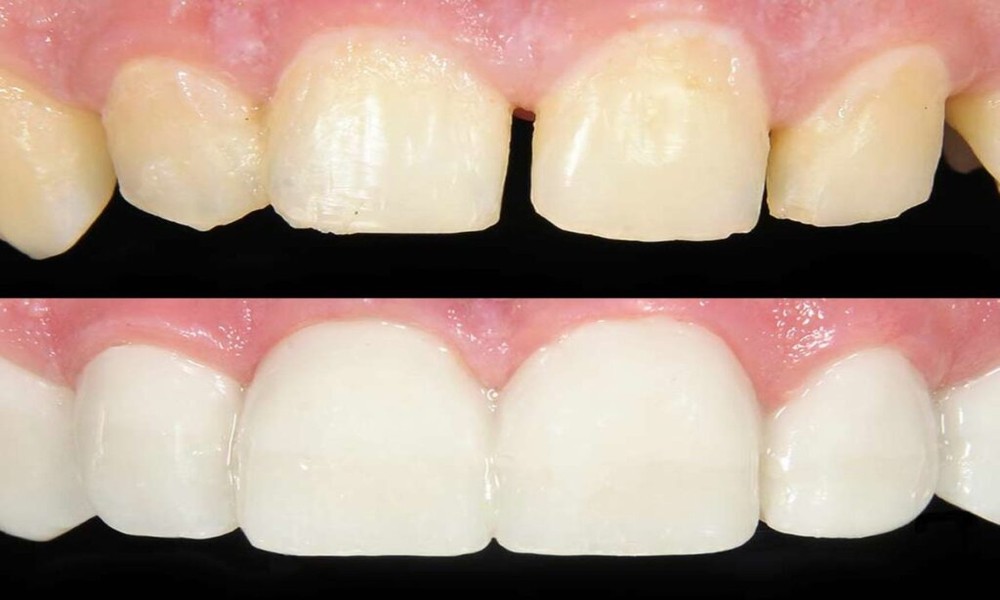
A small chip in a front tooth can change how you feel every time you smile. So can gaps, stains, and uneven edges. You might avoid photos. You might hide your mouth when you talk. Cosmetic bonding gives you another choice. It uses tooth colored resin to reshape and repair teeth in a short visit. Many people now pick bonding instead of crowns or veneers. The process removes very little tooth and often needs no freezing. It helps you see a fast change with less stress and cost. A Canmore, AB dentist can use bonding to close spaces, repair worn edges, and cover deep stains. The goal is simple. You walk out with a smile that feels natural and strong. This blog explains how bonding works, who it helps, and what to expect before, during, and after treatment.
What Cosmetic Bonding Is
Cosmetic bonding uses a tooth colored resin that sticks to your tooth. The dentist shapes this resin, hardens it with a light, then polishes it. The tooth keeps its core structure. The resin acts like a shield and a sculpting tool.
You see bonding used to
- Fix chips and cracks
- Close small gaps between teeth
- Cover stains that do not change with whitening
- Even out short or worn teeth
- Protect exposed root surfaces near the gum line
The resin blends with your tooth color. People who see you smile often cannot tell where the bonding ends and your tooth begins.
Why More People Choose Bonding Now
Cosmetic bonding has grown as a choice for three clear reasons. It is fast. It is less invasive than many other treatments. It matches family budgets better.
Modern resin matches tooth shades with high precision. Light curing tools work faster than older systems. People can often fix several teeth in one visit. That speed matters when you juggle work, school, and family.
You also keep more of your own tooth. Crowns and some veneers need the dentist to grind down healthy enamel. Bonding often needs only light roughening of the surface. Less drilling lowers stress for many people who fear the chair.
Bonding Compared With Other Smile Options
You might wonder how bonding stands next to veneers or crowns. The table below gives a simple comparison. It uses general ranges and can vary by person and clinic.
|
Treatment |
Usual Tooth Change |
Visit Count |
Average Lifespan |
Typical Cost Range per Tooth (USD) |
|---|---|---|---|---|
|
Cosmetic Bonding |
Minimal enamel removal |
1 visit |
3 to 10 years |
$100 to $600 |
|
Porcelain Veneer |
Moderate enamel removal |
2 or more visits |
10 to 15 years |
$900 to $2,500 |
|
Dental Crown |
Significant tooth reshaping |
2 or more visits |
10 to 15 years |
$1,000 to $3,500 |
The numbers are estimates. A dentist who knows your mouth can explain choices in detail. The American Dental Association gives useful background on bonding and other procedures.
Who Cosmetic Bonding Helps Most
Cosmetic bonding fits many people. Yet it works best in some clear situations.
- Small chips on front teeth
- Short teeth that need a small boost in length
- Light to moderate spacing issues
- Stains that whitening does not change
- Recession near the gum that causes cold sensitivity
Bonding may not suit large breaks or teeth with deep decay. In those cases, the dentist may suggest a crown or other care. The National Institute of Dental and Craniofacial Research explains tooth injury and repair options.
What Happens During a Bonding Visit
You can expect three main steps during your visit.
- Planning and shade choice. The dentist listens to your concerns and checks your bite. Then the dentist uses a shade guide to choose resin that matches your teeth.
- Tooth prep and placement. The dentist roughens the tooth surface and may use a mild conditioning gel. Then the dentist places soft resin, shapes it, and shines a curing light to harden it.
- Shaping and polish. The dentist trims the hardened resin, smooths rough spots, and polishes it. You bite and smile so the dentist can adjust high points.
The visit often lasts 30 to 60 minutes per tooth. Many people do not need freezing. If you worry about comfort, you can ask for numbing.
Benefits You Can Feel Day to Day
Bonding does more than change how your teeth look. It can change how you move through your day.
- You may feel more willing to smile in photos or at work
- You may speak and laugh without trying to cover your mouth
- You may notice less sensitivity if roots were exposed
These changes often feel small at first. Over time, they can support your social life and your confidence in work and family roles.
Limits and Risks You Should Know
Bonding is strong. Yet it does not match the strength of porcelain or metal. You need to know its limits.
- Resin can chip if you bite hard objects like ice or pens
- Resin can stain from coffee, tea, red wine, or tobacco
- Large bonding repairs may wear faster on back teeth
Bonding can last many years if you protect it. You may need touch-ups or replacement at some point. A clear talk with your dentist before treatment helps set honest expectations.
How to Care for Bonded Teeth
Care for bonded teeth the same way you care for natural teeth, with a few extra habits.
- Brush twice a day with fluoride toothpaste
- Clean between teeth once a day with floss or other tools
- Use a mouthguard if you grind your teeth at night
- Do not chew ice or hard candy
- Limit staining drinks and rinse with water after them
- See your dentist for regular exams and cleanings
These steps protect both the bonding and your natural teeth. They also help your dentist spot early wear so repairs stay small and simple.
Deciding If Cosmetic Bonding Is Right for You
Choosing any dental treatment can stir up worry. You might fear pain, cost, or regret. You do not need to decide alone. A short talk with a dentist can clear up confusion and give you a plan.
- What bothers you most about your teeth right now
- How long do you hope the result will last
- What budget and time frame fit your life
Bring those answers to your appointment. The dentist can then explain whether cosmetic bonding fits your needs or if another choice serves you better. You deserve a smile that feels steady and safe. With honest guidance and careful care, bonding can often provide that change in a gentle and practical way.
