
A cracked or worn tooth can change how you eat, speak, and smile. You may hide your mouth and feel a sharp tug of shame each time you see a photo. Porcelain crowns give that tooth a new outer shell that looks like real enamel. They cover breaks, deep stains, and old fillings. They also protect weak teeth from more damage. As a result, you gain a smile that feels strong and looks natural in daily life. A family dentist in North Garland can shape, color match, and place a porcelain crown with careful planning. You learn what to expect, how long it will last, and how to care for it. This guide explains how porcelain crowns work, when you need one, and what happens during each step of treatment. You deserve a mouth that no longer feels broken.
What A Porcelain Crown Is
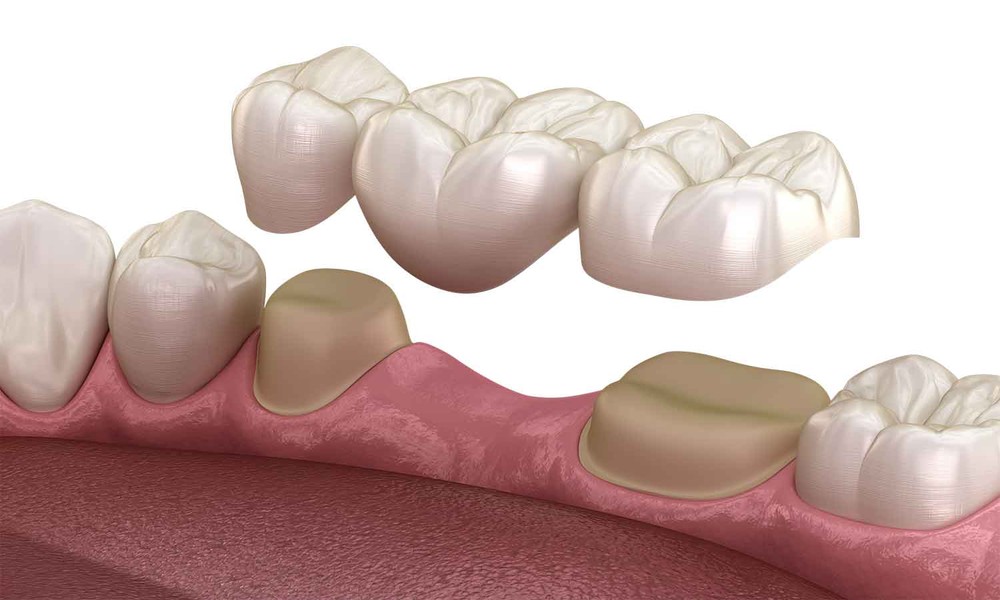
A porcelain crown is a custom cap that covers the whole visible part of a tooth. It fits over the tooth like a snug helmet. It restores shape, strength, and color.
Porcelain has three key strengths.
- It reflects light in a way that looks like natural enamel.
- It resists stains from coffee, tea, and tobacco.
- It holds up well when you chew.
The crown bonds to the tooth with strong dental cement. The tooth under the crown stays in your mouth. The crown shields it from pressure and bacteria.
The National Institute of Dental and Craniofacial Research explains that damaged teeth need protection to prevent tooth loss and pain.
When You Need A Porcelain Crown
You may need a porcelain crown if you notice one of these three problems.
- The tooth has a large crack or chip that catches when you chew.
- A filling takes up most of the tooth, and the sides feel thin.
- The tooth had root canal treatment and now feels weak or tender.
You may also choose a crown for heavy stains or worn edges that do not improve with whitening. A crown can change the shape and size of a tooth that looks too short or out of line with your other teeth.
The American Dental Association explains that crowns protect teeth with large fillings and rebuild broken teeth. You can see a simple overview at the ADA resource on crowns at the MouthHealthy crowns guide.
How Porcelain Crowns Compare To Other Options
Crowns are one of several ways to repair a tooth. Fillings, inlays, and veneers each have a place. The table below shows common choices for a damaged front tooth.
|
Treatment |
Best For |
Covers How Much Tooth |
Strength |
Cosmetic Change |
|---|---|---|---|---|
|
Filling |
Small cavity or chip |
Part of the tooth |
Low to medium |
Small shape or color fix |
|
Inlay or onlay |
Moderate decay on chewing surface |
Top or side of tooth |
Medium |
Moderate shape fix |
|
Veneer |
Stains, minor chips, gaps |
Front face of tooth |
Medium |
Strong cosmetic change |
|
Porcelain crown |
Large crack, heavy wear, root canal |
Whole visible tooth |
High |
Strong cosmetic and strength change |
This comparison shows one clear point. When a tooth has serious damage, a crown gives the most full coverage.
What To Expect During Treatment
The process usually follows three steps.
Step 1. Exam And Planning
The dentist checks your tooth with an exam and X-rays. You talk about pain, sensitivity, and your goals for your smile. You agree on the color and shape that match your other teeth.
Step 2. Tooth Shaping And Temporary Crown
The dentist numbs the tooth. The damaged parts come off. The tooth becomes a stable core that can hold a crown. Then the dentist takes a mold or digital scan. That record goes to a lab that makes the crown.
You leave with a temporary crown. It protects your tooth while you wait. You may need to avoid sticky food on that side of your mouth.
Step 3. Final Crown Placement
At the next visit, the dentist removes the temporary crown. You try the new porcelain crown. The dentist checks the bite and fit. Any small rough spots get smooth.
Once it feels right, the dentist cements the crown in place. You leave that day with a tooth you can use.
How Long Porcelain Crowns Last
With good care, porcelain crowns often last many years. Research often shows an average life of 10 to 15 years. Some crowns last longer. Three habits shape how long yours will last.
- Daily brushing with fluoride toothpaste.
- Flossing around the crown each day.
- Regular checkups and cleanings.
Grinding your teeth shortens crown life. So does chewing ice or biting hard objects. A night guard can protect both teeth and crowns if you clench during sleep.
Caring For Your New Crown
Care for a crown the same way you care for a natural tooth. Still, you can add three simple steps.
- Use a soft brush and small circles along the gumline.
- Slide floss in gently and pull it out through the side to avoid tugging on the crown.
- Choose a mouthwash with fluoride if your dentist suggests it.
If the crown ever feels loose, rough, or high when you bite, call your dentist. Early care can prevent breakage and pain.
How Crowns Reinvent Your Smile And Confidence
A damaged tooth can drain your energy. You may plan every meal, photo, and laugh around that weak spot. A porcelain crown gives you three gifts.
- You chew on both sides again.
- You speak without catching your tongue on a sharp edge.
- You smile without scanning for flaws first.
That change feels simple. It also feels powerful. You move through each day with less worry and more ease. A strong tooth supports a calmer mind.
