
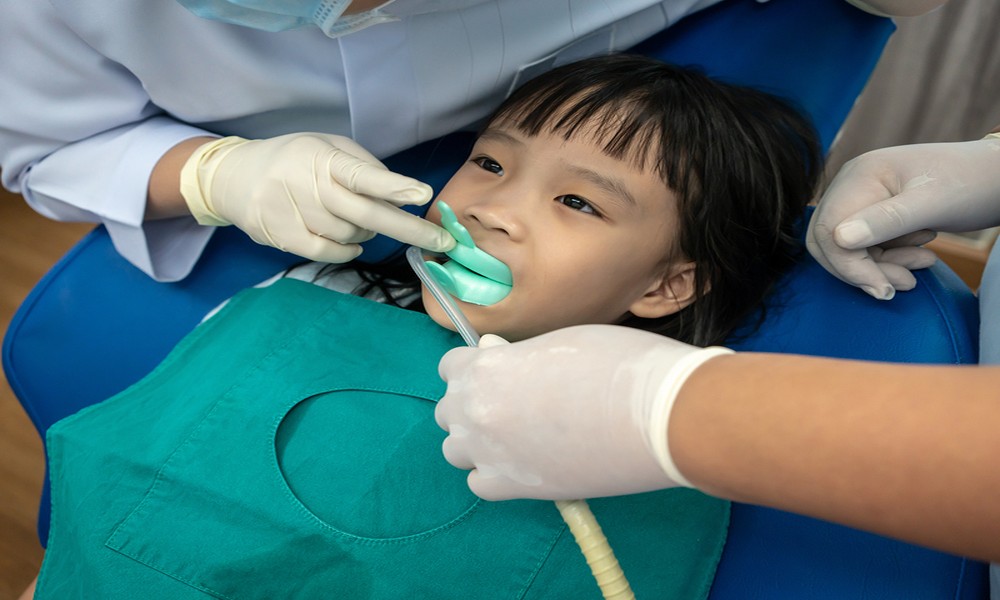
Fluoride treatments protect your teeth from slow, quiet damage that you often do not feel until it is too late. You face sugar, acid, and dry mouth every day. These wear down enamel and open the door to cavities and painful infections. Fluoride strengthens the hard surface of your teeth. It helps repair early damage and makes teeth more resistant to future decay. You still need to brush, floss, and eat with care. Yet fluoride adds a strong extra layer of defense that routine home care alone cannot match. A dentist in Alum Rock, CA uses fluoride treatments as part of regular checkups for children and adults. The process is quick, painless, and safe. It costs far less than fillings, crowns, or emergency visits. If you want to avoid drilling, throbbing pain, and lost teeth, fluoride should be part of your regular dental plan.
What Fluoride Is And How It Works
Fluoride is a natural mineral that mixes with the outer layer of your teeth. It pulls into weak spots in enamel. It then hardens those spots and slows the march toward a cavity.
Every day small bits of enamel lose minerals. Every day your saliva tries to put minerals back. Fluoride gives that repair process more strength. It makes the rebuilt enamel tougher than before.
Fluoride treatments in a dental office use stronger fluoride than toothpaste or mouth rinse. You get a focused dose on teeth that need extra help. This protects teeth during high risk times such as childhood, pregnancy, or dry mouth from medicines.
Who Needs Fluoride Treatments
Most people gain from fluoride at some point. You may need in office treatments if you have any of these risks:
- History of cavities or recent fillings
- Braces, clear aligners, or many dental restorations
- Dry mouth from medicines, aging, or health problems
- Gum recession that exposes root surfaces
- High intake of sugary drinks or frequent snacking
- Children with baby teeth or new adult teeth
Fluoride helps older adults with root decay. It helps children whose brushing may miss spots. It helps busy parents who grab fast food and sweet coffee. It gives teeth a safety shield when habits are not perfect.
Types Of Fluoride In General Dentistry
Fluoride comes in different forms during dental visits. Each type has a place in general dentistry.
- Fluoride varnish. A sticky coating that your dentist paints on teeth. It sets fast and stays on for several hours.
- Fluoride gel. A thicker gel that goes into trays. You bite into the trays for a few minutes.
- Fluoride foam. A light foam that also uses trays. It covers many teeth at once.
Your dentist chooses the type based on your age, cavity risk, and comfort. For young children, varnish is common. For teens and adults, gel or foam work well during cleanings.
Office Fluoride vs Home Fluoride
You already meet fluoride at home through toothpaste and often through tap water. Office treatments use higher strength for shorter time. This boosts protection when you need it most.
Comparison Of Common Fluoride Sources
|
Source |
How You Get It |
Fluoride Strength |
Main Benefit |
|---|---|---|---|
|
Fluoridated tap water |
Drinking and cooking |
Low |
Steady daily support for all teeth |
|
Fluoride toothpaste |
Brushing twice a day |
Low to moderate |
Direct contact with enamel during home care |
|
Fluoride mouth rinse |
Rinsing once a day |
Low to moderate |
Reaches between teeth and along gums |
|
Office fluoride varnish |
Painted on during exam |
High |
Strong shield for high risk teeth |
|
Office fluoride gel or foam |
Tray treatment during cleaning |
High |
Quick boost for all teeth in one visit |
You can read more about fluoride and tap water from the Centers for Disease Control and Prevention.
What To Expect During A Fluoride Treatment
Office fluoride is simple. It fits into a normal checkup.
- Your teeth get cleaned to remove plaque and tartar.
- Your dentist or hygienist dries the teeth that need fluoride.
- Fluoride varnish, gel, or foam is placed on the teeth.
- You wait a short time before eating or drinking.
The treatment does not hurt. Children usually tolerate it without trouble. The taste may feel strong for a short time. After that you go back to your day.
How Often You Need Fluoride Treatments
Frequency depends on your cavity risk.
- Low-risk adults often need fluoride once a year.
- Children and teens often need fluoride every six months.
- High risk patients may need fluoride every three to four months.
Your dentist reviews your history and current exam. Then you both choose a schedule that fits your risk and budget.
Safety And Myths About Fluoride
Fluoride has decades of study. Public health experts track its safety. The American Dental Association and the U.S. Public Health Service support its use at proper levels. You can review their guidance through the National Institutes of Health.
Common worries include long-term harm or body buildup. Office fluoride sits mainly on the teeth. You do not swallow large amounts. The amount used in water and toothpaste also stays within safe ranges.
Young children need pea-sized amounts of toothpaste. Parents should help with brushing. This reduces swallowing and keeps exposure in a safe range.
How Fluoride Fits Into Your Daily Routine
Fluoride works best with simple daily habits.
- Brush twice a day with fluoride toothpaste.
- Floss once a day to clean between teeth.
- Limit sugary drinks and sticky snacks.
- Drink tap water if it has fluoride.
- Keep regular dental exams and cleanings.
Each small step cuts your risk. Office fluoride treatments then give your teeth an extra shield during the year.
When To Talk To Your Dentist
You should ask about fluoride if you notice any of these signs:
- New white spots or brown spots on teeth
- Sensitivity to cold, sweet, or touch
- Recent cavities or broken fillings
- Dry mouth or thick saliva
- New medicines that list dry mouth as a side effect
Your dentist can test your cavity risk, review your water source, and suggest a fluoride plan. This clear plan gives you control. It keeps your teeth strong, your smile steady, and your future treatment needs low.
