
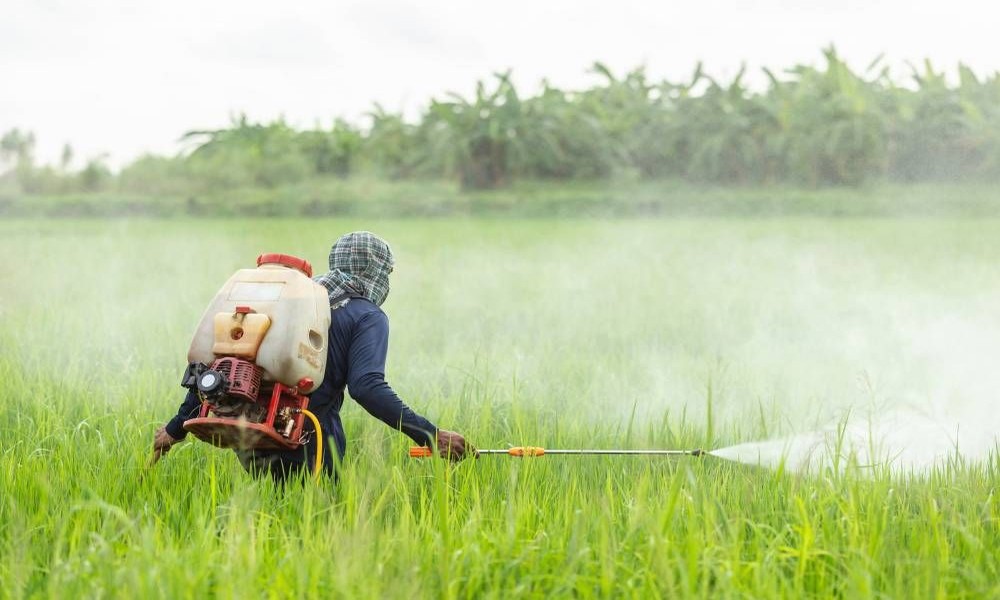
To create a sustainable lawn, you’ve gotta get rid of those pesky competing plants first. Unwanted seeds in the soil tend to steal water and nutrients, outgrowing local plants. You can use special machines and chemicals to handle that issue. This guide talks about the best ways to prep your soil while blending ecological care with efficient growing methods. By following these steps, you’ll create a clean soil environment. It’ll boost your lawn’s success and lower future maintenance.
Understanding Baseline Topsoil Seed Bank Dynamics
Evaluating subterranean seed viability represents the initial phase of professional land management and cultivation planning. Utilizing reliable resources like dk seeds native turf provides excellent foundational success when establishing regional vegetative cover across prepared landscapes.
Thermal inversion techniques and targeted moisture cycles encourage uniform germination of unwanted species, making physical removal much simpler. This active depletion strategy prevents dormant specimens from breaking dormancy after the primary installation phase finishes.
Implementing Mechanical Soil Solarization Methods
- Transparent polyethylene sheeting captures solar radiation to elevate topsoil temperatures dramatically.
- Extreme thermal conditions destroy undesirable subterranean organisms without using chemical agents.
- Extended heat exposure cycles exhaust harder seed shells located near the surface.
- Moisture optimization before covering enhances heat conductivity throughout the upper layer.
Chemical Suppression and Application Windows
Non-residual agricultural solutions neutralize active green growth quickly without leaving harmful chemical deposits behind in the surrounding ecosystem. Timing these applications precisely during active growth stages ensures that systemic solutions reach deep root structures before seed formation begins.
This chemical suppression phase works ideally when paired with shallow mechanical disturbance to expose hidden layers successively. Maintaining strict application boundaries protects nearby established flora while systematically sanitizing the prospective planting area.
Scientific Stratification Success Matrix
| Soil Treatment Methodology | Thermal Range Achieved | Seed Elimination Percentage | Required Operational Duration |
|---|---|---|---|
| Polyethylene Solarization | 60 Degrees Celsius | 92 Percent | Six Weeks Duration |
| Shallow Mechanical Tillage | Ambient Temperature | 45 Percent | Multi-Cycle Process |
| Non-Residual Application | Ambient Temperature | 88 Percent | Ten-Day Window |
Executing Shallow Mechanical Tillage Interventions
Disturbing the uppermost crust triggers rapid germination of deeply buried invasive varieties by exposing them to direct sunlight. Operators must restrict tillage depth to prevent bringing older, dormant seeds up into the active germination zone accidentally.
This mechanical cycle should repeat multiple times following light irrigation events to exhaust the viable seed reservoir completely. Allowing sufficient recovery time between operations ensures maximum depletion of the existing weed population before final seeding occurs.
Essential Ground Preparation Checklists
- Verify target ground moisture levels before commencing any major mechanical tillage operations.
- Monitor surface thermal changes closely during active solarization periods for consistency.
- Secure protective perimeter barriers to prevent windborne contamination from neighboring plots.
- Calibrate delivery equipment thoroughly to ensure uniform distribution of protective solutions.
Managing Substrate Nutrient Profiles Properly
Altering soil chemistry can discourage invasive opportunistic plants while supporting slow-growing regional ground cover species simultaneously. Incorporating organic amendments that favor complex root development over rapid leaf growth helps establish a competitive advantage for desired varieties.
Testing internal soil composition ensures baseline parameters match the specific evolutionary needs of the chosen regional turf selection. Balancing these elements reduces the long-term reliance on intensive post-emergence intervention strategies.
Sustainable Lawn Establishment
Analyzing methods for ground prep shows that mixing mechanical solarization with shallow tillage works best in the long run. Using integrated management gives dependable results for clean, sturdy areas. Opting for high-quality seeds, like dk seeds native turf, keeps the space strong and pure. Following proven steps guarantees good outcomes and helps create a lasting green space.
Frequently Asked Questions
How long does soil solarization need to last to get rid of seeds?
For solarizing soil during peak summer, six weeks is the magic number. It makes sure topsoil temps hit the mark for killing off those sleepy seeds.
Why avoid deep tilling when prepping land for native grasses?
Deep tilling can actually hurt you by bringing hidden weed seeds up. When these seeds see light and air, they sprout fast and start growing madly.
Can adding organics keep unwelcome plants at bay?
Yeah, if you choose the right organic stuff, it helps. It matches regional soil needs, boosting food for good plants. This way, natives grow big and strong, fighting off those pesky invaders on their own.
What is the benefit of a non-residual chemical application over residual alternatives?
Non-residual solutions break down quickly upon contact with the soil, ensuring no harmful chemical elements remain to impact the newly planted turf.
How does pre-irrigation enhance the overall effectiveness of site preparation?
Pre-irrigation stimulates uniform germination among the existing seed bank, allowing operators to eliminate the active weeds mechanically or chemically before planting.
