
Fixing a fuel line can be one of the most frustrating automotive repairs you’ll ever have to do. It’s time-consuming, tedious, and you’re often working in tight spaces with limited visibility. But this doesn’t mean it’s impossible! As long as you follow these steps and use the right tools for the job, repairing your fuel line will seem like a breeze. In this article, we will discuss the procedures and tools need to repair a fuel line.
What is a fuel line, and why does it need to be repaired?
A fuel line is a tube that transfers gas from the gas tank to the carburetor. There are many different types of fuel lines, such as metal and rubber/plastic. A fuel line is a tube that connects the gas tank to the engine. It transfers gasoline (or diesel) from the tank into your vehicle’s engine, providing it with fuel. Over time, these tubes can deteriorate and need repair or replacement.
If you’re noticing issues like hard starting or stalling, this may be because of an issue with your fuel line!
Procedures for repairing a fuel line
There are many different procedures that can be used to repair a fuel line. Some of the most common repairs are either pinching, crimping, or chewing the end of the tube from which you removed a damaged section. Here are the procedures for repairing a fuel line via pinching, crimping, and chewing.
Pinched Repair Procedure
- Remove the end of the damaged tube by cutting off approximately 1/4 inches from each side of the damaged area or by removing the cap on metal tubing to expose where you will cut out the damage. This will expose the inner tubing that is still useable.
- Cut out a piece of fuel line to place over the damaged area and pinch it together using a pair of pliers to seal.
- Wrap the connection using electrical tape where you pinched to ensure no fuel leaks from this area while it is being used again or until the permanent fix is done.
Crimped Repair Procedure
- Locate the damage to your fuel line and cut off approximately 1/4 inches from each side of the damaged area or the cap on metal tubing to expose where you will cut out the damage. This will expose the inner tubing that is still useable.
- Slide the fuel-resistant sleeve over the inner tubing, so it is covering the damaged area.
- Slide a metal hose clamp down until it is resting on top of the fuel resistant sleeve, then tighten down until it makes good contact with the tube and sleeve, causing them to fuse together. Try to stay in one spot when tightening if possible. If you have a rubber/plastic inner tube, this will fuse the fuel line together, but it will not last long.
Chewed Repair Procedure (Can cause more damage)
- Locate your damaged tubing end and cut off approximately 1/4 inches from each side of the damaged area or cap on metal tubing to expose where you will cut out the damage. This will expose the inner tubing that is still useable.
- Remove as much of the cut-out from around the tubing as possible, being careful not to puncture any holes through your fuel line.
- Locate a cylindrical object with a diameter smaller than your exposed tubing and attempt to push it through, so it fits snugly. A dowel or a smaller diameter drinking straw will work well. If you do not have either available, a wooden stake can be heated and bent to shape to fit through the tube.
- Melt the end of the fuel tube closed over your wooden bead/straw/dowel as best as possible using a lighter or matches. If you have a rubber/plastic inner tube, this will fuse the fuel line together, but it will not last long.
Tools needed for repair
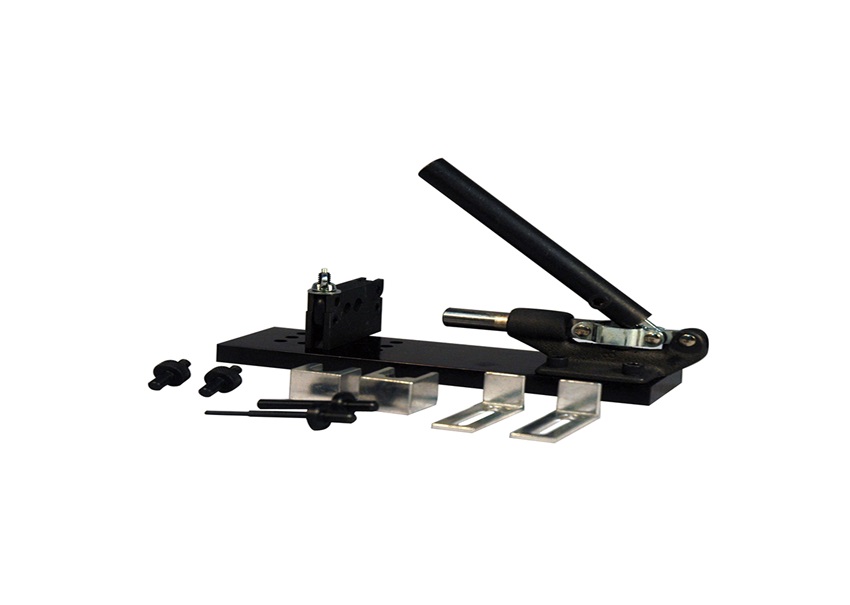
You need to have an assortment of fuel line repair tools necessary to complete the job of repairing; they are as follows:
- Wire cutters or a knife
- A metal hose clamp
- Electrical tape
Each of the procedures for repairing a fuel line has an associated number of tools listed above needed for its completion, as well as some additional tools. The following is a list of those additional tools:
- An Exacto-blade or utility knife
- A lighter or matches
- A dowel for the chew method
- An adjustable wrench may be helpful for some procedures that require loosening a hose clamp or nut on metal tubing but is not needed to complete any procedure.
- Oil drain equipment may also come in handy.
Once you have gathered all your tools and materials, try out one of these procedures and feel satisfied you can now perform your own repairs on your fuel line.
After looking at the procedures and needed tools for fuel line repair, you should be able to make an informed decision about whether or not this is something that can be completed by yourself.
