
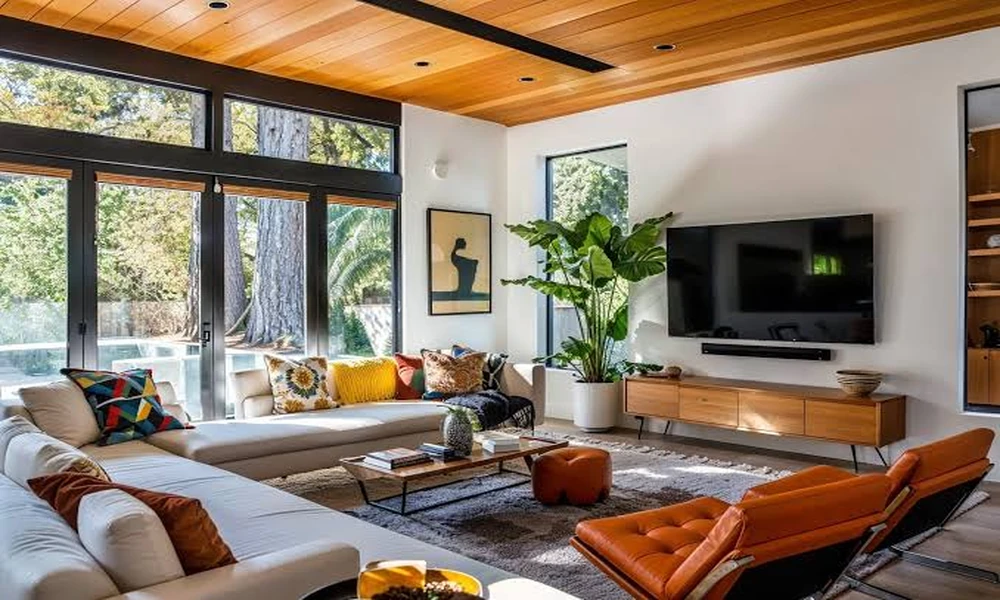
When people talk about home improvement, the conversation often turns to resale value. That’s a fair consideration, but it overlooks something more immediate: the home you live in today. The best improvements change how an ordinary Tuesday feels. They save a few minutes in the morning, make the evening more relaxing, or give the family a better place to gather. Thinking about improvements this way shifts the question from “what will buyers want?” to “what will make my daily life better?” For many households, the answer includes outdoor features like hot tubs Canada homeowners add to create a place to unwind at home, though the same thinking applies to any upgrade, from a better kitchen layout to improved lighting.
Start With Everyday Friction
The most valuable improvements solve small, repeated annoyances. Maybe the entryway is always cluttered, the kitchen lacks counter space, the basement is too cold to use, or the backyard sits empty most of the year. These issues might seem minor, but they shape your daily experience because they come up again and again.
Walk through your routines and note where things feel awkward. Those spots are often where an improvement will pay off the most.
Function Comes First
An upgrade should make life easier or more enjoyable, not just look good. Better storage, improved lighting, more efficient layouts, and comfortable spaces all support daily routines. When you weigh options, ask how a project will change how you live. If you can describe a concrete benefit, like “we’ll finally have a place to sit outside in the evening,” you’re probably on the right track.
Comfort and Wellbeing Matter
Homes that feel comfortable tend to be places where people spend more time. Good temperature control, natural light, quiet spaces, and pleasant surroundings all contribute to a sense of ease. Spaces designed for relaxation, whether it’s a reading corner, a well-lit bathroom, or a backyard retreat, give you somewhere to slow down after a busy day.
Features like a hot tub are popular for this reason. Many people enjoy them as a way to unwind, spend time outdoors, and create an evening routine. They’re best thought of as a source of relaxation and enjoyment rather than a treatment for any health condition, and anyone with health concerns should talk to a doctor about using one.
Outdoor Space Extends Your Living Area
Outdoor improvements effectively add rooms to your home. A deck, patio, fire pit, or hot tub gives you another place to eat, talk, play, or rest. In a climate with long winters, features designed for year-round use can make the outdoors enjoyable well beyond summer. Good insulation, appropriate placement, and thoughtful design help make such spaces comfortable and efficient.
Improvements Can Bring People Together
Some upgrades are about togetherness. An open kitchen invites conversation while cooking. A finished basement becomes a family hangout. A backyard seating area makes it easy to host friends. Features that encourage shared time can strengthen family routines and give everyone a reason to be home.
Plan Before You Buy
The best results come from planning. Define what you want to achieve, set a realistic budget, and research your options. For some projects, practical details matter as much as the product itself. A hot tub, for instance, needs a suitable location, a stable base, and the right electrical setup, and requirements differ by model. It’s wise to confirm specifications with the manufacturer or retailer and to have installation details checked by a licensed professional. Planning for these things in advance avoids surprises and delays.
Choose Quality Where It Counts
A good-quality product or installation tends to last longer and perform better. When you compare options, look beyond the price tag to durability, warranty, support, and how easy the item is to maintain. Retailers who offer knowledgeable guidance before purchase can help you match a product to your space and needs.
Consider Ongoing Costs and Care
Every improvement comes with ongoing considerations: energy use, cleaning, maintenance, and eventual repairs. Factor these in from the start so you know what to expect. Features that are well insulated, easy to maintain, and appropriately sized for your household are more likely to be used regularly and enjoyed.
Start Small if You’re Unsure
You don’t have to undertake a major project to improve daily life. Smaller changes, like better lighting, a more comfortable outdoor seating area, or reorganized storage, can make a noticeable difference. Starting small lets you learn what you value before committing to larger investments.
Think About Resale, But Don’t Let It Rule
Home improvements may influence how appealing a property is to future buyers, but there are no guarantees. Markets and preferences vary. A better approach is to choose improvements you’ll enjoy now, make sure they’re well done, and view any resale benefit as a bonus rather than the main goal.
Keep Safety and Local Rules in Mind
Many improvements involve safety considerations, from electrical work to fencing and access. Local regulations may apply, and some projects require permits or inspections. Check with local authorities and use qualified professionals where required.
The Bottom Line
Home improvements work best when they’re chosen for how they improve daily life. Begin with the friction points in your routine, prioritize function and comfort, plan carefully, choose quality, and think about the ongoing care involved. Whether the project is a small change or a larger addition like a backyard retreat, the best upgrades are the ones that make you glad to be home.
