
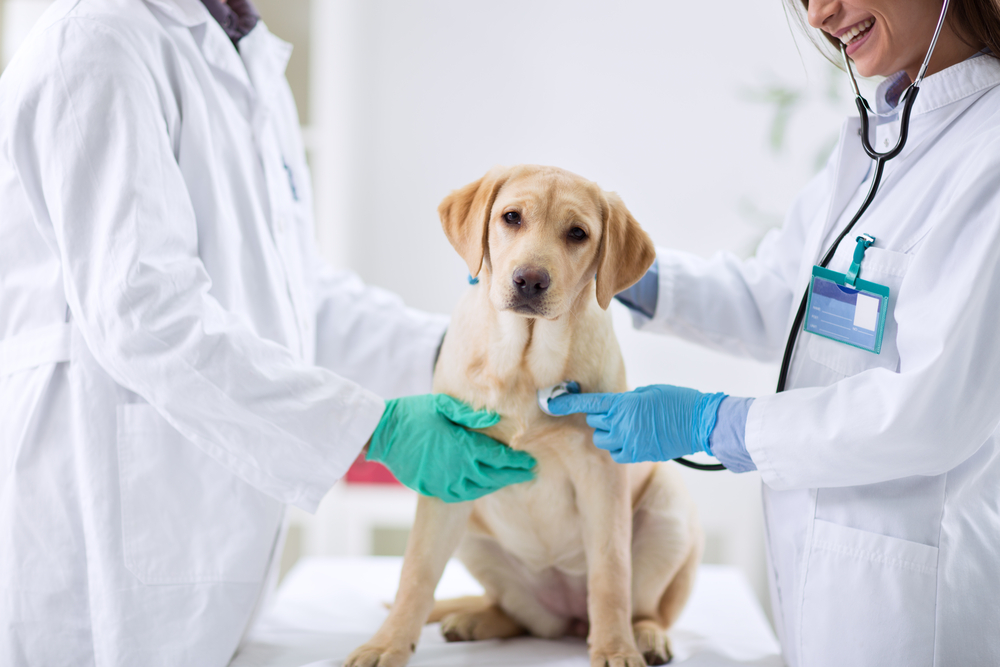
Spaying and neutering are two of the most common veterinary procedures performed, but their importance goes far beyond simply preventing unwanted litters. These surgeries offer significant health, behavioral, and community benefits that every pet owner should understand.
If you’re considering whether to spay or neuter your dog or cat, here’s what you need to know about why these procedures matter for your pet’s well-being and your community.
What Are Spaying and Neutering?
- Spaying refers to the surgical removal of a female pet’s ovaries and usually the uterus, preventing her from becoming pregnant.
- Neutering (or castration) involves removing the male pet’s testicles, eliminating sperm production.
Both procedures are typically done under general anesthesia and are routine surgeries performed by veterinarians.
Health Benefits of Spaying and Neutering
1. Prevention of Certain Cancers
Spaying female pets before their first heat cycle greatly reduces the risk of mammary (breast) cancer, one of the most common cancers in dogs and cats. It also prevents uterine infections and eliminates the risk of ovarian and uterine cancers.
Neutering males prevents testicular cancer and lowers the risk of prostate problems.
2. Elimination of Heat Cycles and Related Issues
Female pets go into heat multiple times a year, which can be stressful for both pets and owners. During heat, females may exhibit behavioral changes, bleeding, and attract unwanted male animals. Spaying eliminates heat cycles, preventing these challenges.
Behavioral Benefits
Spayed and neutered pets often display fewer unwanted behaviors linked to mating instincts, including:
- Roaming or attempting to escape to find a mate
- Aggression or dominance-related behaviors
- Marking territory by spraying urine (especially in males)
- Excessive vocalizations such as yowling or howling during heat
Reducing these behaviors can lead to a calmer, safer, and more manageable pet.
Community and Population Benefits
Pet overpopulation is a serious problem leading to millions of homeless animals in shelters every year. Spaying and neutering help reduce the number of unwanted puppies and kittens, which in turn:
- Decreases the number of animals surrendered to shelters
- Reduces euthanasia rates in overcrowded shelters
- Lowers the burden on animal rescue organizations and municipal animal control
- Helps control stray and feral animal populations
By choosing to spay or neuter your pet, you contribute to solving this larger community issue.
When Is the Best Time to Spay or Neuter?
Most veterinarians recommend spaying or neutering pets between 4 to 6 months of age, before they reach sexual maturity. However, pets can be safely altered at various ages, and your vet can help determine the best timing based on your pet’s breed, size, and health.
What to Expect During and After Surgery
Spaying and neutering are generally safe, routine procedures with a quick recovery time. Your pet will be under anesthesia during surgery and monitored closely.
After surgery, you may notice:
- Mild soreness or tenderness near the incision site
- Temporary lethargy or reduced appetite
- The need to restrict activity to promote healing
- Use of an Elizabethan collar (cone) to prevent licking or chewing the incision
Follow your veterinarian’s post-operative care instructions carefully to ensure a smooth recovery.
Addressing Common Concerns and Myths
- Will my pet gain weight after being spayed/neutered?
Weight gain is possible if calorie intake is not adjusted post-surgery. Maintaining a balanced diet and regular exercise helps keep your pet fit.
- Will spaying/neutering change my pet’s personality?
These procedures usually reduce mating-related behaviors but don’t change the core personality of your pet.
- Is it better to wait until my pet has had a litter?
There are no health benefits to delaying spaying or neutering for reproduction purposes, and early surgery can prevent many health issues.
Final Thoughts
Spaying and neutering are key steps in responsible pet ownership. These procedures not only improve your pet’s health and behavior but also play an important role in addressing the larger issue of pet overpopulation.
If your pet hasn’t been spayed or neutered yet, talk to your veterinarian about scheduling the procedure and learn how you can provide your furry friend with a healthier, happier future. We recommend Osso vet.
